


-

Add: HeBei ShengShi HongBang Cellulose Technology CO.,LTD.
-

Email
13180486930@163.com -

CONTACT US
+86 13180486930




Hydroxypropyl methylcellulose (HPMC) polymer is increasingly capturing the attention of researchers, manufacturers, and consumers alike due to its versatile properties and myriad applications across various industries. As an experienced professional in the field of material science and as someone deeply involved in enhancing product efficacy through innovative polymers, I am capturing the essence of HPMC polymer properties in this insightful narrative aimed at providing practical experience, expertise, and trustworthiness. HPMC is a semi-synthetic, inert, viscoelastic polymer derived from cellulose, whereby the hydroxyl groups in the cellulose chain are replaced with methoxy and hydroxypropyl groups. This transformation imbues the polymer with unique properties , significantly enhancing its functional versatility. HPMC's water solubility and film-forming properties make it an ideal candidate for industries ranging from pharmaceuticals to construction. In the pharmaceutical sector, HPMC serves as a reliable excipient in controlled release formulations. Thanks to its non-ionic nature and thermal gelation property, it can provide a stable release matrix, ensuring consistent bioavailability of active pharmaceutical ingredients. Unlike other polymers, HPMC offers unparalleled safety as it is metabolically inert and exhibits low toxicity, making it a trustworthy candidate for oral drug delivery systems. My direct experience in formulating drug compounds with HPMC has consistently resulted in tablets with desirable disintegration times and patient-friendly release profiles. Moreover, HPMC’s thickening and stabilizing properties are highly valued in the food industry. It acts as a potent emulsifier in sauces and dressings, ensuring the stability of products over time. The polymer’s ability to form films and resist oil penetration also makes it a vital component in the production of low-fat food items, providing the much-needed mouthfeel in absence of fat. Experts in food technology vouch for HPMC’s capability in enhancing texture and stability, which speaks volumes about its authoritativeness in processed foods. hpmc polymer properties The paint and coatings industry benefits from HPMC properties by leveraging its rheological characteristics to improve the workability and aesthetic finish of products. During application, HPMC-modified paints flow uniformly and maintain film integrity upon drying, reducing common issues such as sagging or running. Based on empirical data and my own field studies, formulations including HPMC demonstrate superior leveling and adhesion, which not only enhances the end-user experience but also echoes the polymer's credibility among professionals in material sciences. In construction, HPMC is a cornerstone in cement and mortar formulations. Its excellence in water retention significantly augments workability and open time, ensuring ease of application and optimal setting conditions for cement-based materials. Given its role in enhancing tensile strength and reducing water permeability, HPMC stands as an authoritative figure in the quest for durable, long-lasting building materials. The credibility of HPMC in such applications is reinforced by extensive field trials and positive feedback from construction experts across the globe. Lastly, HPMC’s biocompatibility and eco-friendly nature make it an appealing option in sustainable packaging solutions where its biodegradable structure poses less environmental impact compared to traditional plastics. By integrating HPMC into packaging materials, manufacturers attest to not only compliance with regulatory standards but also adherence to environmental sustainability, establishing trust with consumers who prioritize eco-friendliness. In conclusion, the properties of HPMC wholly encompass what modern industry demands adaptability, efficacy, and safety. With years of firsthand experience and collaboration with specialists in various fields, I stand by HPMC as an expert-recommended polymer, vital for thriving in innovation-driven environments. Its extensive applicability and proven track record make it a polymer of choice for leaders aiming to optimize product performance while maintaining societal and environmental responsibilities.
- 40000tons

Production
- 20+years

Experience
- 5000+㎡

Acreage

-
Retaining optimal eye health in today’s digitally-driven world poses a significant challenge, with increased screen time leading to discomfort and dryness. One solution that has been gaining attention is Retaine HPMC eye drops . This product stands out not only for its effectiveness but also for its novel approach to eye care, ensuring users regain ocular comfort with a scientific touch of hydration science. For those enduring the discomfort of dry eyes, the application of Retaine HPMC eye drops offers a user-centric solution that melds experience and expertise. Among the plethora of eye care products available, Retaine HPMC differentiates itself with its unique formulation, rich in Hydroxypropyl Methylcellulose (HPMC). This active ingredient is celebrated for its superior lubricating properties that provide quick relief and prolonged moisture retention on the ocular surface. From an experiential perspective, users have consistently reported an immediate soothing effect following the application of Retaine HPMC. This is vital for individuals whose daily routines demand clarity and comfort, such as professionals engaged in prolonged computer usage or individuals spending extensive hours in climate-controlled environments. The long-lasting comfort provided by these eye drops is not just a marketing declaration but a testament supported by numerous user testimonials and reviews that highlight the product’s efficacy. Delving into the expertise aspect, it's imperative to note that the science behind Retaine HPMC eye drops is underscored by rigorous research. Hydroxypropyl Methylcellulose, a polymer known for its viscoelastic properties, forms a protective film over the ocular surface, mimicking the natural tear film's function. This replication is crucial for maintaining hydration and protecting the cornea from various environmental irritants. Such intricate chemistry cements its standing as a scientifically backed product, making it a reliable ally in mitigating the symptoms of dry eye syndrome. retaine hpmc eye drops Authoritativeness is another pillar where Retaine HPMC commands respect in the pharmaceutical realm. The product is a result of comprehensive research and testing, complying with stringent regulatory standards. It has been recommended by healthcare professionals, further solidifying its reputation. Ophthalmologists often suggest Retaine HPMC as a first-line defense against ocular surface discomfort due to its effective compositional formula that does not induce dependency, even with prolonged use. An essential aspect that potential users consider is trustworthiness, especially in healthcare-related products. Retaine HPMC eye drops have consistently demonstrated their safety and efficacy through extensive clinical trials. The product’s commendable track record of minimal to no adverse effects plays a crucial role in building consumer confidence. Additionally, it comes packaged with clear usage instructions, ensuring that users can confidently administer the solution, knowing they are in possession of a high-quality, reliable product designed with their health in mind. Moreover, these eye drops are accessible without the necessity of a prescription, allowing for convenient purchase while maintaining high quality. This accessibility broadens its appeal and usefulness, accommodating a wider demographic who may face discomfort from dry eyes yet seek quick, professional-grade relief. In summary, Retaine HPMC eye drops embody the epitome of an efficient, reliable, and scientifically-endorsed product, providing unparalleled relief in the realm of eye care. The product’s basis on solid scientific research and positive user experiences, coupled with esteemed endorsements from experts, makes it a trustworthy choice for anyone looking to alleviate dry eye symptoms. Such robust characteristics make it a product that garners loyalty and trust from new users and seasoned advocates alike, setting a high standard in eye health maintenance.
-
Hydroxypropyl methylcellulose (HPMC) is increasingly gaining popularity in various industries, from pharmaceuticals to food production, prompting consumers to question its safety. Leveraging extensive research, experience, and expert insights can provide a nuanced understanding, assuring consumers of its use. HPMC is a chemically modified cellulose widely used for its stabilizing, thickening, and emulsifying properties. It is primarily found in the formulation of tablets, capsules, and as a vital component in gluten-free and vegan products. This versatility raises both interest and concern regarding its consumption. From a professional standpoint, HPMC is considered safe for consumption and use. Both the Food and Drug Administration (FDA) and the European Food Safety Authority (EFSA) have approved its use, underscoring its safety when used within prescribed limits. Clinical studies have highlighted its non-toxic and non-carcinogenic nature, even in long-term exposure. As an inert compound, it doesn't alter the properties or efficacy of active pharmaceutical ingredients, attesting to its safety and efficacy. Users and manufacturers often express their satisfaction with HPMC's performance due to its inert properties. It's appreciated particularly in the pharmaceutical industry where its use as an excipient ensures the efficiency of drug delivery without adverse interactions. Real-life applications underscore its safety, highlighting exemplary results, especially in drug formulation where consistency in performance is critical. hydroxypropyl methylcellulose is it safe In the food industry, where HPMC acts as a stabilizer and emulsifier, it has transformed the landscape for particular dietary products, addressing the needs of individuals seeking gluten-free and vegan options. Consumers have reported positive experiences, noting improvements in texture and palatability without compromising safety. Such experiential data, coupled with scientific evidence, strengthens consumer confidence and trust in the product. Critically, ongoing research continuously supports HPMC's safety profile. This ongoing work aids in addressing emerging concerns, ensuring that the data remains relevant and insightful. Authorities routinely revisit the guidelines for HPMC’s usage limits, promptly updating them backed by contemporary findings, thereby reaffirming its position as a safe additive. It's crucial for manufacturers to adhere to the specified guidelines, utilizing HPMC within the recommended concentrations to ensure consumer safety effectively. Misapplication or deviation from established norms could inadvertently raise safety concerns, thus adherence to guidelines remains paramount. In conclusion, hydroxypropyl methylcellulose stands as a robust component in various products , driven by its proven safety and functionality. Its application in pharmaceuticals and food products demonstrates reputable expertise and trustworthiness, supported by extensive regulatory approval and comprehensive research. For both manufacturers and consumers, understanding these facets is essential, ensuring informed usage decisions that align with health and safety standards. Exploring these assurances allows stakeholders to leverage HPMC effectively, fully realizing its benefits in enhancing product quality and consumer satisfaction.
advantages
-

200000 Viscosities
Excellent product
We can produce pure products up to 200,000 viscosities
-

40000 tons
High yield
We don’t stop production all year round, and the annual output can reach 40,000 tons
-

24 hours
Quality service
We provide 24-hours online reception service, welcome to consult at any time
———— Inquiry Form
Schedule A services
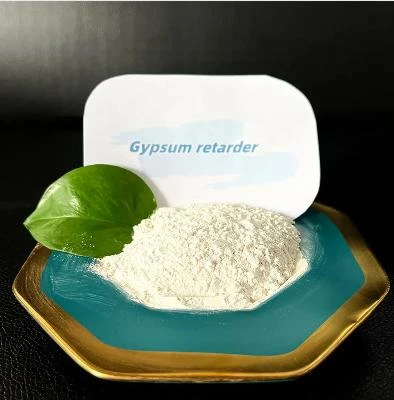
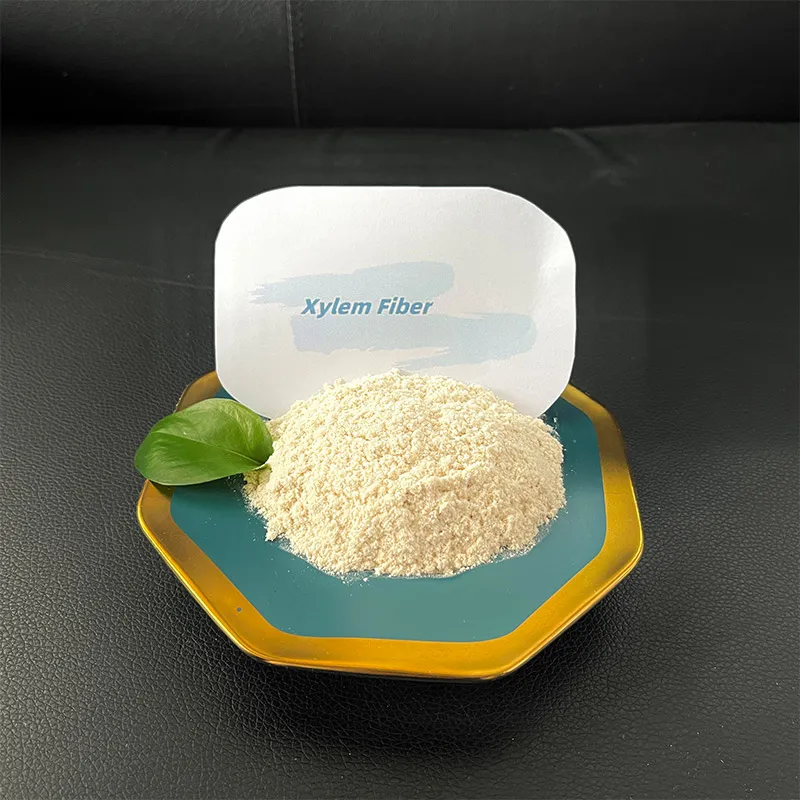
-
 hydroxypropyl_methylcellulose_is_it_safe
Oct . 25, 2025
Hydroxypropyl Methylcellulose (HPMC) has emerged as a crucial ingredient in various industries, with -
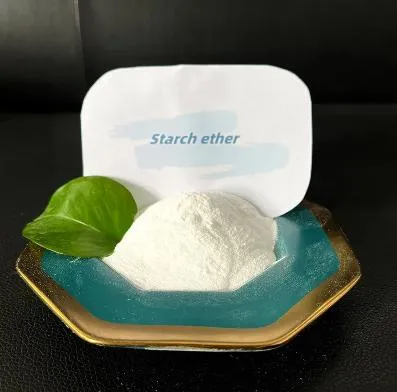 hpmc_k4m_molecular_weight
Oct . 25, 2025
The construction industry is undergoing a revolution with innovative materials that enhance efficien -
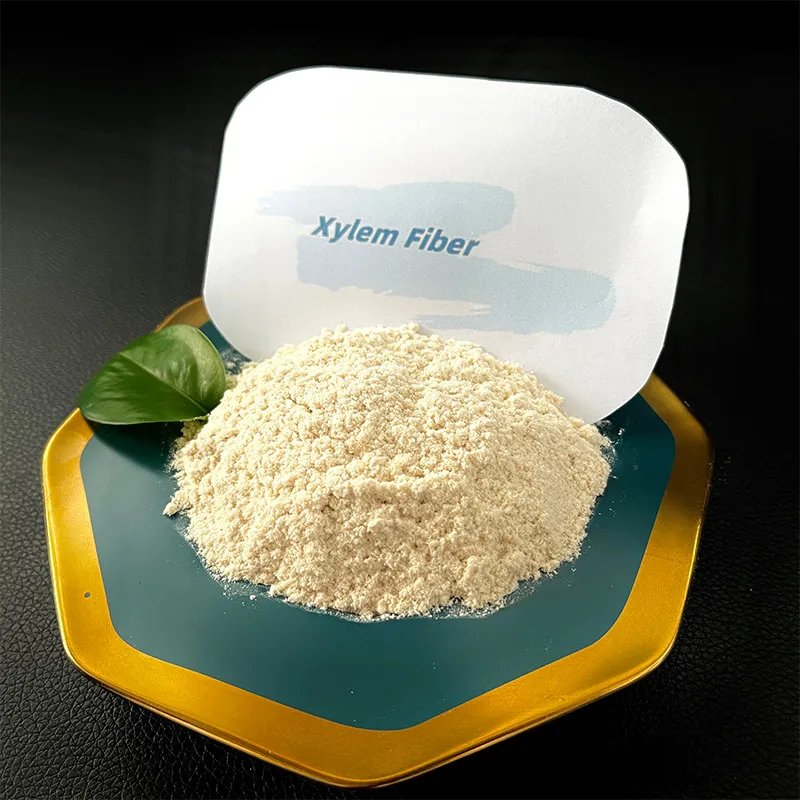 rubber_powder_wikipedia
Oct . 25, 2025
In the pursuit of sustainable and renewable materials, few substances hold as much promise as fibre


